Stonewood Farm

Stonewood Farm

Grant Years

2026

Program Strategy

social mobility

Location

millbrook, NY

Read 718 Logo
Read 718 Tutor with Student

The Challenge

Food insecurity in the Hudson Valley is a persistent and often invisible problem.

At the same time, edible food goes to waste at farms and distribution centers across the region while neighbors go without. And as small farms, an essential part of a resilient food system, continue to disappear and fewer young people enter agriculture, the knowledge of how to grow food sustainably, and how to build a farm that truly serves its community, is at risk of being lost.

Despite the region's association with farms, fine dining, and weekend escapes, many of the communities surrounding Millbrook include seniors, immigrant families, and low-income residents who struggle to access fresh, healthy food. Rural poverty presents unique challenges: fewer food access points, limited transportation, and communities that are too small or too dispersed to attract the attention of larger nonprofits.


At the same time, edible food goes to waste at farms and distribution centers across the region while neighbors go without. And as small farms, an essential part of a resilient food system, continue to disappear and fewer young people enter agriculture, the knowledge of how to grow food sustainably, and how to build a farm that truly serves its community, is at risk of being lost.

Despite the region's association with farms, fine dining, and weekend escapes, many of the communities surrounding Millbrook include seniors, immigrant families, and low-income residents who struggle to access fresh, healthy food. Rural poverty presents unique challenges: fewer food access points, limited transportation, and communities that are too small or too dispersed to attract the attention of larger nonprofits.

Despite the region's association with farms, fine dining, and weekend escapes, many of the communities surrounding Millbrook include seniors, immigrant families, and low-income residents who struggle to access fresh, healthy food. Rural poverty presents unique challenges: fewer food access points, limited transportation, and communities that are too small or too dispersed to attract the attention of larger nonprofits.


At the same time, edible food goes to waste at farms and distribution centers across the region while neighbors go without. And as small farms, an essential part of a resilient food system, continue to disappear and fewer young people enter agriculture, the knowledge of how to grow food sustainably, and how to build a farm that truly serves its community, is at risk of being lost.

Stonewood Farm addresses all of it at once. It is a rare combination: a working organic farm, a professional kitchen, a training ground, and a community gathering place, all in service of the same mission. Nothing is wasted, everyone is welcome, and the whole operation holds together as a living system.

Stonewood Farm addresses all of it at once. It is a rare combination: a working organic farm, a professional kitchen, a training ground, and a community gathering place, all in service of the same mission. Nothing is wasted, everyone is welcome, and the whole operation holds together as a living system.

Stonewood Farm addresses all of it at once. It is a rare combination: a working organic farm, a professional kitchen, a training ground, and a community gathering place, all in service of the same mission. Nothing is wasted, everyone is welcome, and the whole operation holds together as a living system.

the solution

How it works

01

The Farm

The Farm

Founded through the vision and dedication of Ken Holzberg and Tom Kopfensteiner, who purchased the 15-acre property in 2000 and spent years clearing and restoring the land, Stonewood became a formal nonprofit in 2021. What began as a home became a commitment to their neighbors, and today a growing team of farmers, chefs, volunteers, and community partners builds on that foundation.

The certified organic Market Garden, stewarded by farmers Lex Kohler and Maggie Thomas, produces over 10,000 pounds of vegetables a year on 1.75 acres using regenerative practices that improve soil health and strengthen biodiversity. It is also a living classroom, and the foundation from which the farm's food access, education, and culinary programs grow.

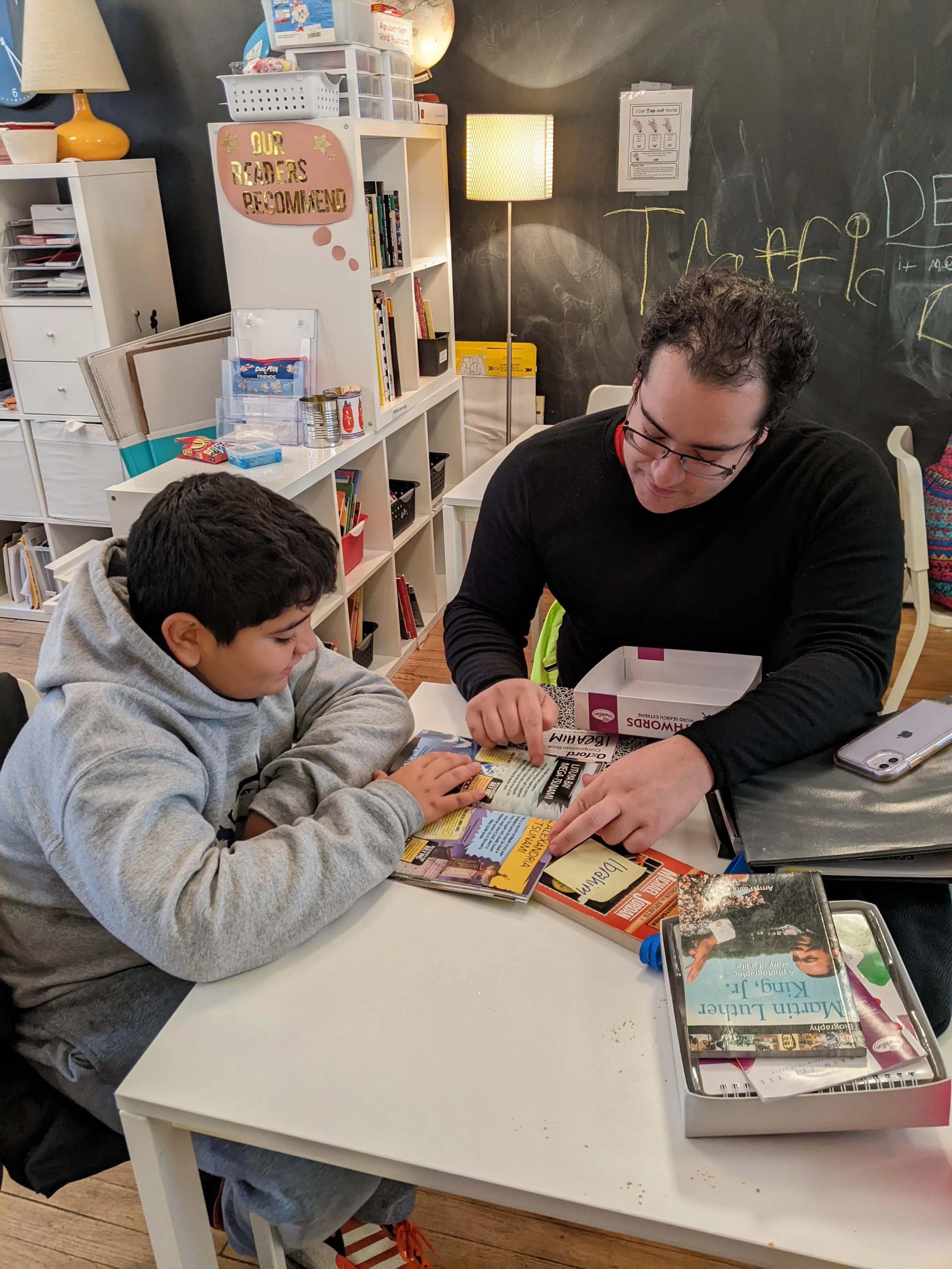
Read 718 Tutor and Reader Reading

02

The Cookhouse

The Cookhouse

At the heart of the farm sits the Cookhouse, a rebuilt barn where abundance is transformed into nourishment. Kristen Essig, an award-winning chef who left a decorated restaurant career to become Stonewood's Director of Culinary Outreach and Development, turns the market garden's harvest, rescued food from local distribution sites, and even surplus from neighbors' home gardens into wholesome, culturally appropriate prepared meals for neighbors in need. The Cookhouse is also where the community gathers for cooking classes, workshops, and the farm's beloved dinner series. Nothing goes to waste, and everything goes to someone.

03

Food Pantry & Fresh Produce Deliveries

Food Pantry & Fresh Produce Deliveries

Stonewood co-founded the First Harvest Food Pantry at Lyall Community Church in Millbrook and delivers fresh produce and prepared foods weekly to Meals on Wheels, the Millbrook Community Fridge, and area senior groups, reaching more than 2,800 food insecure neighbors each year.
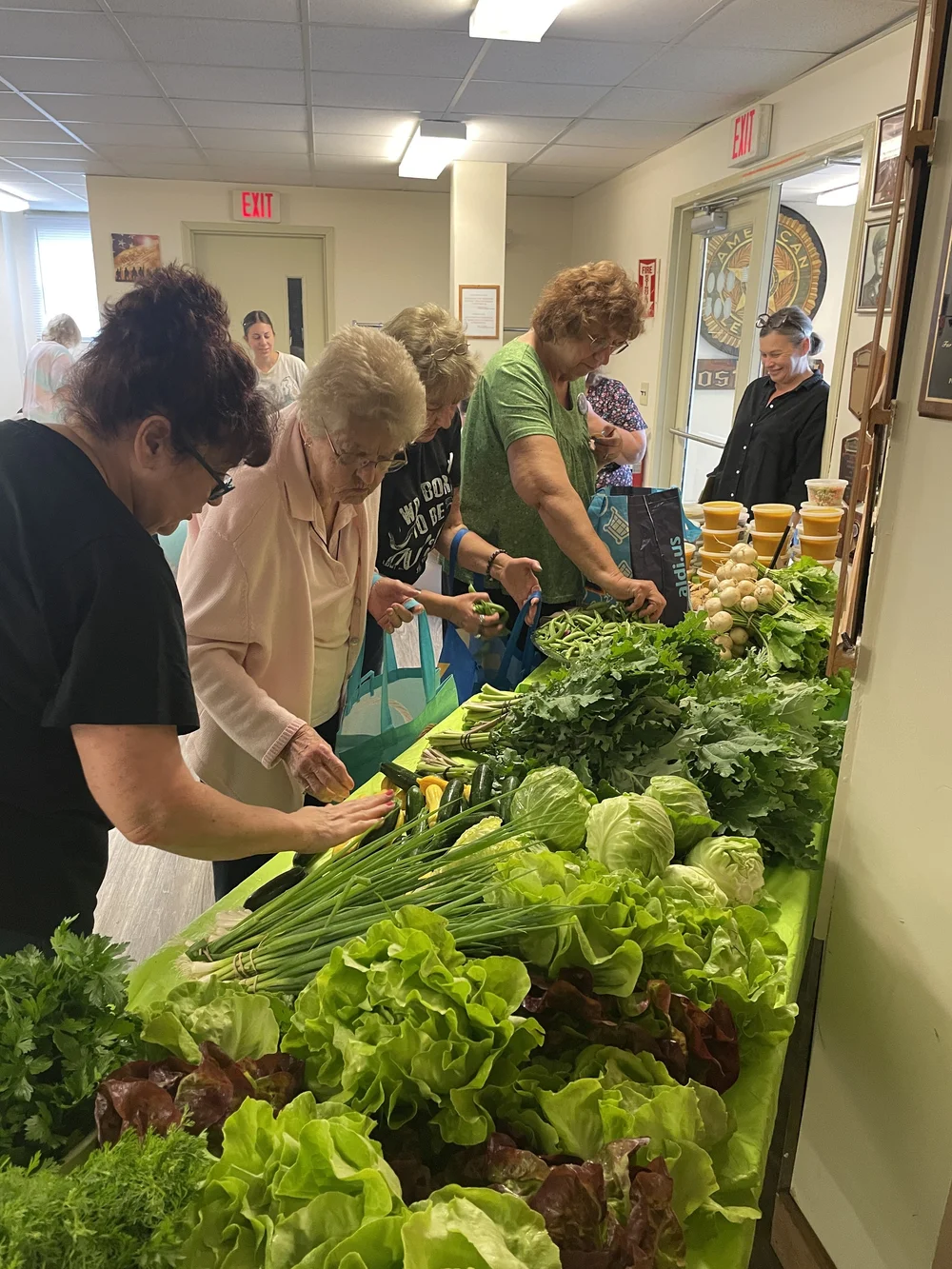
Read 718 Tutor and Reader Reading
Read 718 Boreum Hill Location

04

The Apprenticeship Program

The Apprenticeship Program

Stonewood trains aspiring farmers in organic and regenerative growing practices through season-long apprenticeships, investing over 880 hours per apprentice to support the next generation of small-scale agriculture. Through its new Chef in Residence program, the farm extends that same training philosophy to culinary professionals, teaching chefs how to build community service into their craft.

06

Community Events

Community Events

The farm's Sunday Harvest Dinners, Saturday Suppers, Farm Tours, and bi-weekly Pop-Up Markets bring the community to the table. All proceeds directly support Stonewood's outreach programming, and every event strengthens the connection between neighbors, food, and the land.

05

The Giving Garden

The Giving Garden

Stonewood created and maintains an edible garden for the young residents of Cardinal Hayes Home for Children, visiting regularly to plant, harvest, and learn alongside the kids.

Read 718 Boreum Hill Location

Results

Stonewood Farm has become a hub of goodness and connection, where a small team and a devoted community of volunteers ensure that fresh, organic food reaches the neighbors who need it most.

Stonewood Farm has become a hub of goodness and connection, where a small team and a devoted community of volunteers ensure that fresh, organic food reaches the neighbors who need it most.

10,000+

pounds of produce grown using regenerative practices in 2025

2,800+

food insecure neighbors reached through the food pantry, Meals on Wheels, community fridge, and senior groups

715

wholesome meals prepared and delivered through the Full Heart Kitchen food recovery program

450+

pounds of food rescued that would have otherwise gone unused

2,484

guests welcomed to Pop-Up Markets, Harvest Dinners, and Farm Tours in 2025

880+

 hours invested training the next generation of farmers
 hours invested training the next generation of farmers